


When the Rules Changed: Australia's Crystalline Silica Crackdown
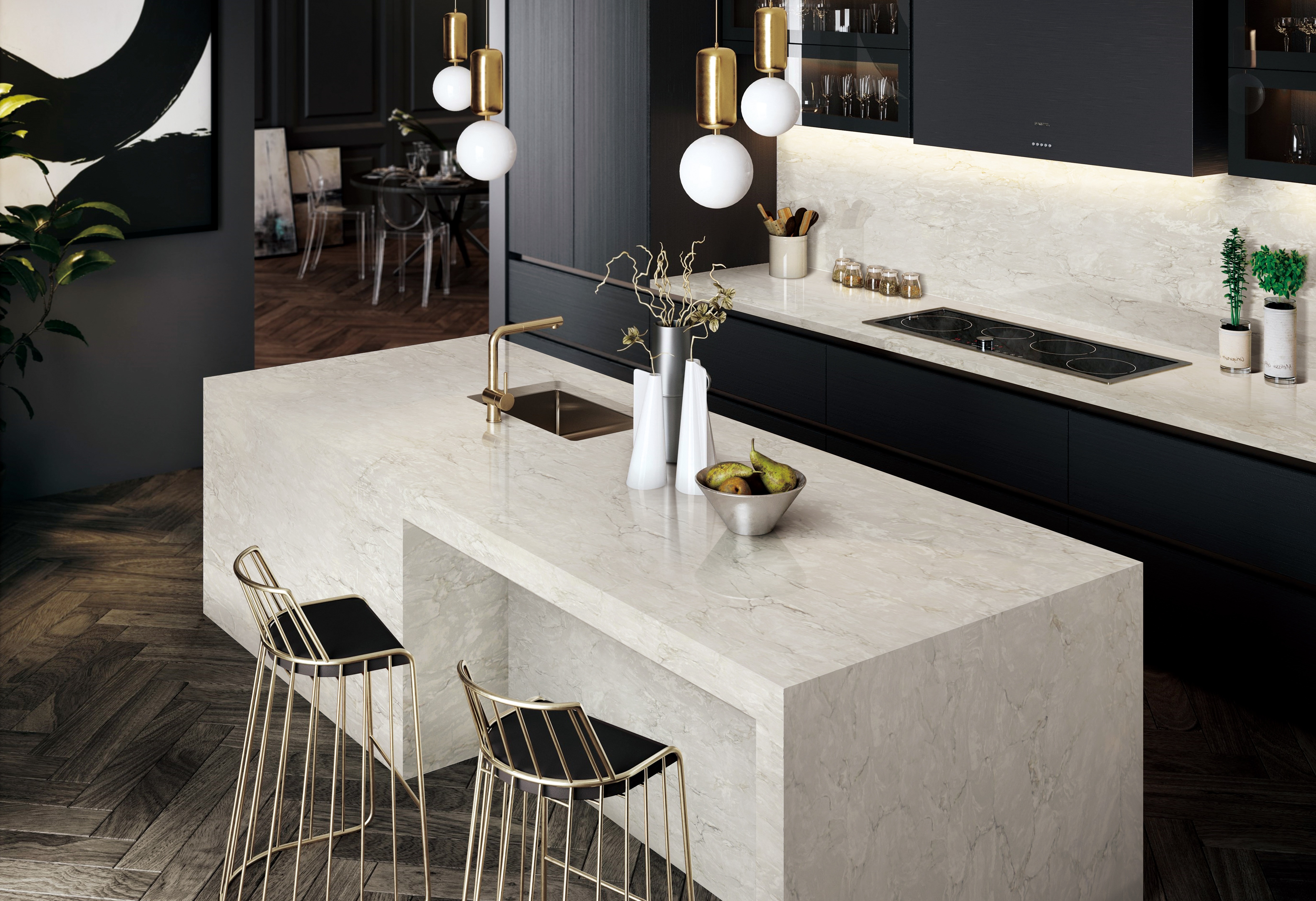
In 2024, Australia became the first country in the world to ban the fabrication of engineered stone products containing crystalline silica. It was a landmark decision, one that sent shockwaves through the engineered stone industry and forced every supplier, fabricator and specifier to take stock.
For us, it was a moment of clarity.
What Is Crystalline Silica and Why Does It Matter?
Crystalline silica is a naturally occurring compound found in quartz, granite, sandstone and many engineered stone products. In its raw form and at low concentrations, it's largely inert. The problem arises when it's cut, ground or drilled, processes that release fine respirable dust particles into the air.
When inhaled repeatedly, those particles can lodge permanently in the lungs, causing a progressive and irreversible disease called silicosis. It scars lung tissue, reduces breathing capacity and in severe cases can be fatal. There is no cure.
A Health Crisis Hidden in Plain Sight
For years, stonemasons and benchtop fabricators (the tradespeople who cut and install engineered stone surfaces) were unknowingly exposed to dangerous levels of silica dust. Many worked in workshops without water, adequate ventilation or respiratory protection, not fully understanding the risk.
As cases of silicosis began to emerge among young workers (mainly on the East Coast of Australia) some in their 30s and 40s, the scale of the problem became impossible to ignore. Australian health and safety authorities launched investigations. The findings were confronting. The engineered stone industry had a serious, systemic safety fabrication problem.
The 2024 Regulations: A Line in the Sand
Safe Work Australia, in coordination with state and territory governments, moved to phase out and ultimately ban engineered stone products containing crystalline silica above a threshold level. The intent was clear: protect workers from a preventable occupational disease.
For businesses operating in the stone surface space, the message was unambiguous. Products that relied on crystalline silica as a core component (the majority of traditional engineered stone) would need to be reformulated, replaced or abandoned.
What This Meant for Perth Homeowners Buying Stone Benchtops
For everyday homeowners in the middle of a kitchen renovation, the ban raised real questions. Stone benchtops had been the default choice in Perth for years, they were familiar, available and well understood. Suddenly the category was in flux. Which products were still available? What had changed? Was the stone benchtop they'd been planning even still on the market?
The honest answer: yes and no. Traditional engineered stone containing crystalline silica was out. But a new generation of stone benchtop alternatives( safer, SAME ATTRIBUTES better performing, and just as visually compelling) was already being developed by suppliers who saw the change coming.
An Industry at a Crossroads
The reaction across the industry was mixed. Some suppliers scrambled to find compliant alternatives. Some shifted to natural stone. Others paused, uncertain of what came next. The regulations had created a genuine reflection point and the path forward was not obvious.
We had already been asking the harder question: not just 'how do we comply?' but 'what does the safest, best-performing surface actually look like?'
That question would lead us somewhere unexpected.
In Part 3, we share the decision that defined us and why we chose to rebuild from the ground up rather than take the easier route.

